Could you live in Somerville for less by letting your tenants help pay the mortgage? If you have been eyeing a duplex or triple-decker, you are not alone. Many buyers use house hacking to offset high purchase prices in this transit‑rich, high‑demand city. In this guide, you will learn how the numbers pencil out, what properties to expect, how financing works, and the local rules to follow. Let’s dive in.
Why Somerville suits house hacking
Somerville sits next to Cambridge and Boston with MBTA Red Line and Green Line access, plus major bus routes. Proximity to universities and medical and tech hubs supports strong rental demand and low vacancy.
That demand often pushes purchase prices higher than in outer suburbs. You should plan for lower headline cap rates but steadier occupancy and rent collection.
For many buyers, the strategy works when you secure favorable financing and budget carefully for older‑building repairs. Zoning and permit timelines can shape how fast your units produce income.
Common multi‑family homes in Somerville
Duplexes and triple‑deckers
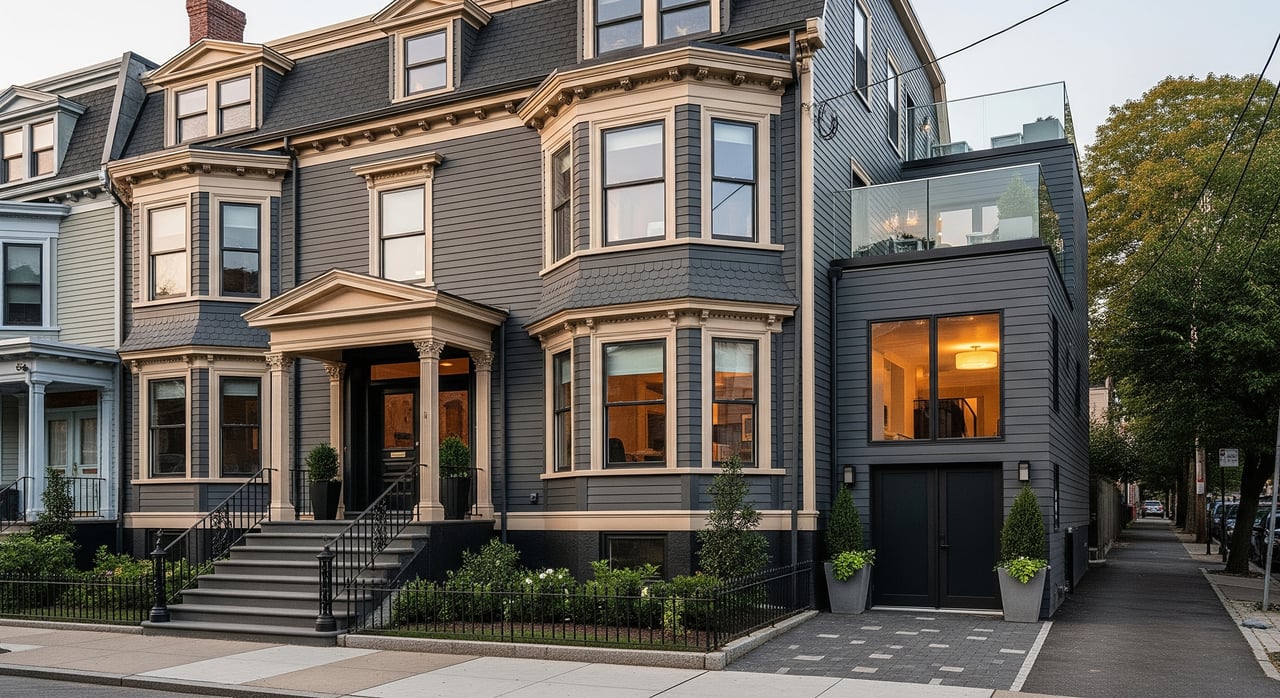
You will see many two‑family homes with one unit per floor or mirrored layouts. Three‑family triple‑deckers are also common, with one unit on each level.
Some areas include small 4–6 unit walk‑ups and occasional mixed‑use buildings with ground‑floor retail. For most owner‑occupants, 2–3 unit properties are the sweet spot.
What to expect inside and out
Many buildings were built before the 1940s. Plan for possible lead paint, aging wiring, and older heating or plumbing systems.
Some properties have separate gas and electric meters per unit, while others are master‑metered. Separate utilities simplify billing and reduce your operating costs.
Off‑street parking is limited in many neighborhoods. Parking availability can influence your tenant pool and achievable rent.
Zoning, permits, and local rules
Somerville’s zoning district sets allowed uses, unit counts, setbacks, and any overlay rules. Building permits are needed for most renovations that affect structure, life safety, or egress.
Many Massachusetts cities require rental registration and periodic inspections. Confirm Somerville’s current rental registration and inspection steps before you advertise units.
If you create or alter units, you may need a new certificate of occupancy or use. In historic areas, exterior changes may face added review.
Short‑term rentals have local limits. Do not assume you can use Airbnb income in your plan without verifying city rules.
State and federal rules also apply. Expect Massachusetts sanitary code standards, strict smoke and CO detector requirements, and lead paint compliance for pre‑1978 buildings.
Action steps for compliance
- Identify the property’s zoning district early in due diligence.
- Ask Inspectional Services what permits your planned work requires.
- Request existing plans, certificates of occupancy, and any violation history.
- Budget time for inspections and city reviews before counting on rent start dates.
- Follow lead, smoke/CO, and sanitary code rules when preparing units for lease.
Financing options for owner‑occupants
Owner‑occupied loans can make a duplex or triple‑decker more attainable. Programs, terms, and rates change often, so get quotes early.
- FHA 1–4 unit: As low as 3.5% down if you live in one unit. The property must meet FHA standards. FHA 203(k) can bundle approved rehab costs into your loan.
- Conventional: Available for 2–4 units, but down payments and reserve needs rise with unit count. Some products allow lower down payments for 2‑unit homes.
- VA: Eligible veterans can finance 2–4 units with owner occupancy and favorable terms.
- Portfolio or local bank loans: Community lenders may offer flexible options for small multi‑families.
Lenders typically count a portion of rental income when qualifying you. Many underwrite at 75–80% of market rent or use current leases if verified.
Down payment and mortgage insurance
- FHA: Minimum 3.5% down for many borrowers, with upfront and annual mortgage insurance premiums.
- Conventional: Higher down payments for 3–4 units are common, with private mortgage insurance if under 20% down.
Preapproval game plan
- Get preapproved using conservative rent estimates and a realistic vacancy factor.
- If renovations are needed, compare FHA 203(k) to conventional renovation loans.
- Ask lenders about reserve requirements and how they will treat projected rents.
Run the numbers with a simple model
To evaluate a property, start with clear metrics.
- Gross Scheduled Income: total rent at full occupancy.
- Effective Gross Income: GSI minus vacancy and collection loss.
- Operating Expenses: taxes, insurance, owner‑paid utilities, maintenance, management, snow, landscaping, trash.
- Net Operating Income: EGI minus operating expenses.
- Cap Rate: NOI divided by purchase price.
- Debt Service: annual mortgage payments.
- Cash‑on‑Cash Return: annual pre‑tax cash flow divided by total cash invested.
Hypothetical 3‑unit example
Below is a simple illustration. It is not market advice and uses sample numbers only.
- Purchase price: $900,000
- Market rents: $2,500 + $2,300 + $2,000 = $6,800 per month, $81,600 per year
- Vacancy and loss at 5%: $4,080
- Effective Gross Income: $77,520
- Estimated expenses: taxes $9,000, insurance $2,000, maintenance and reserves at 8% of GSI $6,528, owner utilities $1,500, management at 6% $4,896. Total $23,924
- NOI: $77,520 minus $23,924 = $53,596
- Cap rate: $53,596 divided by $900,000 = about 5.96%
- Financing: 25% down, loan $675,000 at 6%, annual debt service about $48,890
- Pre‑tax cash flow: $53,596 minus $48,890 = $4,706
- Cash‑on‑cash return: $4,706 divided by $225,000 = about 2.1%
This shows how high prices can compress returns. Many buyers accept lower near‑term cash flow to reduce their housing cost, build equity through principal paydown, and position for future rent growth.
Expenses to budget for
Somerville’s older housing stock requires realistic reserves. Build a line‑by‑line budget before you offer.
- Property taxes: base this on current assessed value and the city tax rate.
- Insurance: owner‑occupant and landlord coverage for a 2–4 unit home.
- Maintenance: 5–10% of gross rents, plus a separate 5–10% for capital reserves.
- Utilities: confirm which meters are separate and which services you will pay.
- Management: if you hire help, budget 5–8% of collected rent.
- Landscaping, snow, trash: seasonal and contract costs can add up.
- Vacancy and credit loss: 5–8% is a common conservative range in strong markets.
Risks and due diligence checklist
Top risks to plan for
- High purchase prices can reduce immediate yield.
- Older buildings may hide structural or safety issues.
- Zoning or permits can limit unit changes or extend timelines.
- Operating costs and surprise repairs can outpace estimates.
- Noncompliance with tenant law or lead rules can create liability.
Due diligence checklist
- Pull tax records and past assessments from the Assessor.
- Review leases, current rents, and security deposit details.
- Request utility bills for each unit to confirm true operating costs.
- Check for open permits, violations, or enforcement history.
- Hire a multi‑family‑savvy home inspector and consider specialists.
- Price out planned renovations and confirm permit needs.
- Verify the zoning district and your ability to add or alter units.
- Model a 12–24 month pro forma with conservative rents and expenses.
- Obtain lender preapproval that includes projected rental income.
- Validate market rent assumptions with current local listings and managers.
First 90 days after closing
- Prioritize life‑safety items like smoke and CO detectors and egress.
- Decide on utility billing. If meters are shared, plan a fair billing method or get quotes to separate utilities.
- Address quick‑impact renovations like kitchens, baths, and heating reliability.
- Complete any required rental registration or inspections before leasing.
- Set up bookkeeping for each unit and follow security deposit rules.
- Consider a CPA experienced in Massachusetts real estate for tax planning.
Get local guidance you can trust
House hacking in Somerville can work when you match the right property with clear numbers and a solid compliance plan. If you want help scouting 2–3 unit homes, pressure‑testing the numbers, and negotiating with confidence, connect with Nikki Martin. Our team represents buyers across Greater Boston and the North Shore with a responsive, results‑focused approach.
FAQs
What is house hacking in Somerville multi‑families?
- Living in one unit of a 2–4 unit property while renting the others to offset your mortgage and housing costs.
Which Somerville property types fit house hacking best?
- Duplexes and triple‑deckers are the most common and practical for owner‑occupants, with one unit per floor and strong rental demand.
How do lenders count rental income for a duplex or triple‑decker?
- Many underwrite at 75–80% of market rent or use verified leases, then combine that with your income to qualify.
What permits might I need before renting units in Somerville?
- You may need rental registration, inspections, and building permits for renovations that affect structure or life safety, plus certificates of occupancy for unit changes.
How much vacancy should I budget in Somerville?
- A conservative 5–8% vacancy and collection loss is a common planning range in strong rental markets.
What are the biggest risks with older Somerville multi‑families?
- Hidden repairs like electrical or plumbing upgrades, lead paint compliance, and permit delays that push back the start of rental income.