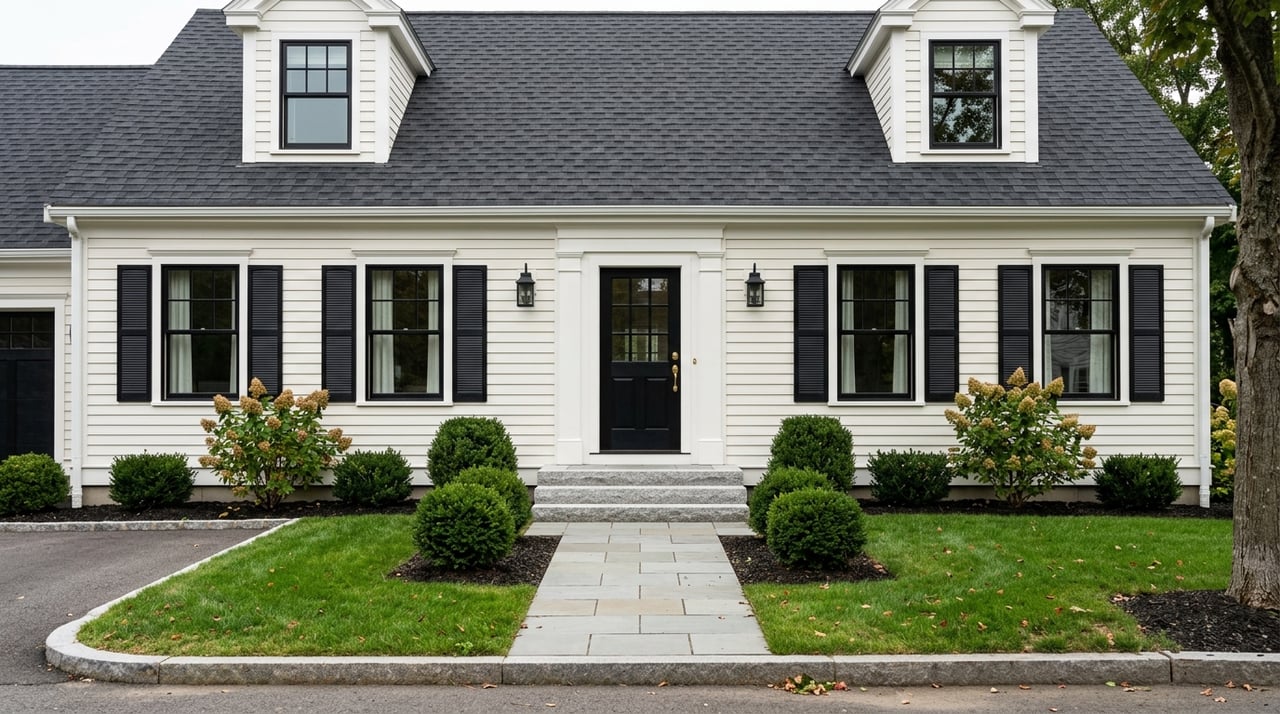
Selling a home in Peabody can move fast, but that does not mean you should rush the prep. In a market where homes sold in about 22 days on average and often drew multiple offers, your first impression matters more than ever. If you want to attract strong buyers and protect your value, the right plan starts well before your home goes live. Let’s dive in.
Peabody remains a competitive seller’s market. Over the three months ending April 2026, the median sale price was $629,675, the average home sold in about 22 days, and listings received an average of 7 offers. Redfin also reported a 102.5% sale-to-list ratio, with 67.2% of homes selling above list price.
That is good news for sellers, but it does not mean every home sells itself. Buyers may compete on price, yet condition still shapes how they feel about a property and how strongly they bid. In a fast-moving market, small issues can stand out quickly.
Peabody has a relatively older housing stock, and that matters when you prepare to sell. According to a Massachusetts housing production plan, 21.8% of the city’s housing units predate World War II, and almost 37% were built between 1940 and 1970. That often means listing prep is less about trendy updates and more about maintenance, paperwork, and a clean, move-in-ready presentation.
Buyers notice condition. In the 2025 NAR buyer survey, 23% of buyers said condition was one of the biggest compromises they made, second only to price. That tells you where your time and money usually work hardest.
Before you think about decorative upgrades, take care of issues that suggest deferred maintenance. This can help your home show better in person and reduce surprises during buyer due diligence.
If your home has been well cared for over the years, this step may be simple. If not, a targeted repair plan can do far more for your sale than a major remodel.
One of the smartest things you can do is gather documents before your home hits the market. In an older community like Peabody, buyers often ask detailed questions, and clean documentation can help your sale feel more organized and credible.
A strong listing file may include required disclosures, municipal records, and evidence that past work was properly permitted. This step is especially important if you have added a deck, finished a basement, renovated a kitchen, or changed the use of any space.
Massachusetts now requires sellers or their agents to provide a separate written disclosure affirming the buyer’s right to a home inspection before or at the first purchase contract. A buyer may waive the inspection only after receiving that disclosure and without seller coercion.
For homes built before 1978, lead paint disclosure should also be on your radar. Federal law requires disclosure of known lead-based paint and lead-hazard information before the sales contract is signed, and Massachusetts also requires property-transfer lead notification for pre-1978 homes.
You will also need a smoke and carbon monoxide alarm certificate of compliance from the local fire department. Massachusetts guidance says carbon monoxide alarms are required on every level, including habitable basements and attics, in most residences.
Peabody’s zoning ordinance adds another practical layer. Work such as additions, reconstruction, moved structures, or changes in use may require permits, and altered or changed structures may require a certificate of occupancy. Pulling those records before listing can save time later.
Most buyers meet your home online before they ever step inside. That is why presentation matters so much, even in a seller’s market. Great marketing does not just make a home look attractive. It helps buyers understand the space, remember the property, and feel excited enough to schedule a showing or make an offer.
NAR’s 2025 staging survey found that 83% of buyers’ agents said staging made it easier for buyers to visualize a home as a future residence. The same report showed that photos were rated important by 73% of buyers’ agents, physical staging by 57%, videos by 48%, and virtual tours by 43%.
Those spaces had the highest impact in the survey, which makes them a smart place to focus your effort and budget. In many Peabody homes, especially older ones, thoughtful staging can help buyers see function and flow without the cost of a full redesign.
Once repairs and paperwork are underway, turn your attention to how the home feels. Buyers respond best to spaces that feel bright, open, and easy to understand. The goal is not to erase your home’s character. It is to make the next owner’s experience easier to imagine.
Start by removing excess furniture, clearing countertops, and packing away personal items. Then invest in a deep clean that covers floors, windows, kitchens, baths, trim, and storage areas. A clean home signals care, and that can shape buyer confidence before they notice anything else.
Staging does not need to mean a full-house transformation. NAR found that the median spend when using a staging service was $1,500. For many Peabody sellers, that makes staging a practical middle ground between doing nothing and taking on a major renovation.
In the right home, selective staging can help update the feel of older rooms, define awkward spaces, and improve photography. Even small changes like lighter bedding, simpler furniture layouts, or neutral accessories can create a more polished impression.
This is where a full-service listing approach can make a difference. Coordinating repairs, presentation, and professional marketing in the right order helps your budget work harder and keeps the process from feeling overwhelming.
Do not schedule photos too early. Professional photography should happen only after repairs, cleaning, decluttering, and staging are complete. If you photograph too soon, you may miss the strongest version of your home.
Once the property is fully ready, consider adding video or a virtual tour as well. NAR data shows both formats matter to buyers’ agents, and they can help your listing stand out when buyers are comparing several homes at once.
Pricing is not something to decide after the house is ready. It is part of the prep strategy from the start. In a market like Peabody, where homes can move quickly and draw multiple offers, the launch price helps shape urgency, attention, and showing activity.
A well-prepared home paired with disciplined pricing can create strong early momentum. Because many listings receive the most attention right after they hit the market, you want the condition, presentation, and pricing strategy working together from day one.
If you are preparing to sell in Peabody, the goal is not to make your home perfect. The goal is to remove friction. That means fixing the issues buyers will notice, organizing the documents they will ask for, and presenting the home in a way that feels cared for and easy to love.
In a market this active, buyers are ready to move quickly. When your home shows well, reads clearly online, and comes to market with the right paperwork and pricing strategy, you put yourself in a much stronger position to attract serious offers.
If you are thinking about selling and want a clear, low-stress plan for what to do first, Nikki Martin can help you prepare your Peabody home for the market with a polished, results-driven approach.
"Simply the best" is what we bring to each and every customer and client. If you or someone you know is thinking of buying or selling real estate now or in the future, or need assistance with any real estate service contact us.
Contact TodayAddress
590A Main Street
Lynnfield, MA 01940